

 Lisa Brookes Kift, MFT
Jennifer Chappell Marsh, MFT explores independence vs interdependence in relationships and what secure attachment looks like.
Many of us have heard the saying, “At the end of the day, you only have yourself to fall back on…” We are taught from a young age that independence is a good thing; a source of strength and pride. Take care of yourself. Don’t be clingy or needy. Gaining independence, learning how to think and decide for ourselves is necessary to transition from childhood to adulthood. Being self-sufficient is necessary to functioning on our own.

Don’t want therapy but looking for real human expert feedback? Ask Lisa via chat.

Can too much independence hurt your relationship?
Being independent is highly useful when you’re single. A certain amount of independence is also beneficial for you when in relationship. But too much independence might inhibit the inherent emotional tie to your partner. It’s natural to become emotionally interdependent in intimate relationships but if you’re too prone to “independence,” this natural state may become compromised.
We all hope to feel secure and safe in our relationships, especially the ones who matter the most to us. Every single human needs and/or longs for the safety in knowing, “you’ve got my back no matter what”. This need for connection is hard-wired into our primal survival brains regardless of your level of self-sufficiency. When we feel confident in knowing we can rely on our partner, this is called, “secure attachment”.
When we have secure attachment in our relationships we have a sense of knowing the following:
- I can count on my partner.
- I come first with my partner.
- I can share my deepest feelings with my partner and he/she will be there for me.
These affirmative statements reflect a sense of safety and security in the relationship. This doesn’t mean that couples with secure attachment don’t fight or have problems. They do. What it does mean is that when things get off track – a person in a secure relationship will communicate what they are feeling and the couple will come together to address the issue to get back on track.
When we don’t feel secure depending and relying on our relationships, the “ouch” moments can turn into something bigger, leading to arguments that cause even more distance in the relationship. Conflict over who picks up the kids or what type of milk made it into the shopping cart can ignite a stronger emotional response leading to further hurt and disconnection.
See the following fictional example:
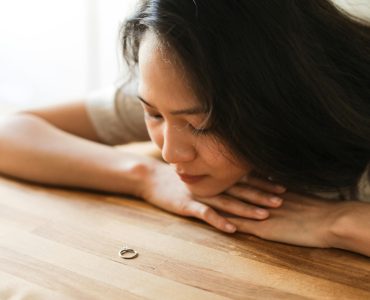
 Amanda has been married to her husband Mike for 5 years. They both describe themselves as independent and appreciate that they have their own careers and friends. Amanda sometimes gets annoyed when Tom forgets about her work functions or when they have plans together because he’s working so much. She blows it off, because she doesn’t want to come off as “needy”, “weak” or “demanding”. She also doesn’t think Mike would understand her feelings and would possibly get defensive or try to “solve” the problem. So, instead of talking to Mike about what’s upsetting her, she takes care of herself by turning more to her work and her friends to keep her busy.
Over time she starts to feel that work is at the top of Mike’s priority list and she comes in second. This is where the insecurity can start to set in. Still, she doesn’t let Mike know of her uneasiness because she doesn’t want to burden him. Then, Amanda and Mike find out they are having a baby. During the last trimester Amanda is waiting for Mike to meet her at the doctor’s office. She calls him to check in and learns that he’s going to be late because a work delay. Her blood pressure hits the roof – she’s boiling. After the appointment she let’s him have it. She yells at him about being selfish, telling him that work is the only thing that matters to him and she can’t count on him. Mike has no idea where this is all coming from and from his viewpoint Amanda’s emotional reaction seems irrational. He feels attacked for circumstances out of his control. He defends himself, she gets angrier and they get stuck in an awful fight.
In relationships, sometimes the best way to take of yourself and your relationship is to turn to each other for support. Amanda tried to “get over it” and manage her stress by taking the independent route. Her emotions kept building until they exploded, creating more problems in the relationship.
Moving from independence to interdependence:
- Give yourself permission to need your partner. Learn to turn towards them. Your need for your partner makes you human.
- Communicate your feelings. Express to your partner how you feel in the relationship. Chances are he/she will appreciate your openness and gives them the chance to be there for you.
- Let your partner know what would help you. He/she is likely not a mind reader. Set your partner up for success by telling them what you need; maybe a hug or just to listen.
—
❤️ Follow LoveAndLifeToolbox on Instagram
❤️ Follow LoveAndLifeToolbox on Facebook
❤️ Follow LoveAndLifeToolbox on X