

 Lisa Brookes Kift, MFT
Research has shown up that because of the neuroplasticity of your brain, you have the potential to change your life by promoting happiness, trauma relief, resilience and overall peace of mind. You no longer have to be held hostage by your emotions and reactivity which can impact your sense of self and how you relate to others.
Human beings adapt to all sorts of challenging situations and one of those adaptations is self defense. If you have learned through experience that people can’t be relied upon, for example, it’s possible trust has been a recurring problem for you. You may even be unconsciously scanning your environment for threats that reinforce problematic belief systems about your emotional and/or physical safety.

Don’t want therapy but looking for real human expert feedback? Ask Lisa via chat.

Perhaps you had a basically good childhood with no traumatic experiences per se but the nest in which you came from was critical, unloving, distant and/or uncommunicative. Your attachment style with parents/primary caregivers still is related to how your young brain was wired. Even if you don’t relate to the notion that you experienced “trauma,” don’t underestimate the impact of insecure attachments in early childhood.
Regardless, there are many indications that you might reap some benefit from the neuroplasticity of your brain…if you have the right tools in your toolbox.
Ways painful experiences and prior traumas can show up in your life
- painful relationship patterns
- sense of isolation and fear to reach out
- undercurrents of sadness, anxiety and/or anger
- lack of belief that the future can hold good things for you
- nightmares and flashbacks
Whatever your story is, let’s say you’re ready to dig in to the bounty of what research is offering us to get released from your past and get further emotional distance from the problematic experiences that have impacted you. I’d like to offer some of my favorite tools for your consideration, to help you change your brain – so you can change your life. Dig into these a little and find something that fits to get you on your way for real, deep and transformative change.
Books
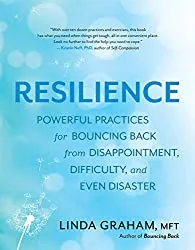
Bouncing Back: Rewire Your Brain for Maximum Resilience and Well-Being
Linda Graham, MFT is not only a mentor and therapist in my area but she has written a fabulous book full of tools to facilitate brain change, one I often refer my therapy clients to. “Bouncing Back” offers a pathway towards well-being and improved resilience. It’s suitable for those with trauma histories and those who simply want to better deal with the inevitable bumps in the road of life.
Bouncing Back offers plenty to choose from in exercises and like in life, you take what resonates with you and leave what doesn’t. Linda’s wisdom, experience and authenticity reflected in personal stories is woven through this handbook for life.
The Body Keeps the Score: Brain, Mind and Body in the Healing of Trauma
Bessel Van Der Kolk, MD has always been a favorite of mine on the conference circuit. He wants to clear up misunderstandings of what trauma is. It’s not just something that “happened” or that people can “get over” but rather their experiences and stories around it are wired into their brains. It’s like being stuck with a broken alarm system.
Dr. Van Der Kolk looks at the issues of trauma, attachment and neuroscience; how it all is connected and offers cutting edge treatment options like yoga to ease symptoms, neurofeedback to reset the brain and EMDR to relieve distress associated with trauma memories.
I attended a workshop of his last year in San Francisco and was so moved by his work and forward thinking ideas, I was inspired to try neurofeedback myself (LENS) for issues remaining as a result of my trauma history. It has been life changing.
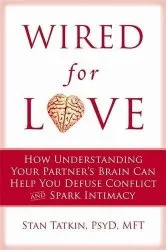
Wired for Love: How Understanding Your Partner’s Brain and Attachment Style Can Help You Defuse Conflict and Build a Secure Relationship
Wired for Love by Stan Tatkin offers guidance on how to improve a romantic relationship by understanding your partner’s brain. The book draws on research from neuroscience, attachment theory, and emotion regulation.
Dr. Tatkin is another regular therapy conference presenter who offers a variety of tools and concepts including the “couple bubble,” how to manage disagreements and create emotional safety in the relationship.
In the world of emotional and relationship health, it’s a great time to be alive.
The above are but a few of the tools available today to facilitate brain change not only with a potential to impact how you feel about yourself but how you relate to others. It’s hard to believe that not so long ago we thought the brain could not change. The personal empowerment that has come with our current knowledge that in fact, the brain can change across the lifespan, ushers in hope for all.
I am grateful to be able to introduce more hope to my therapy clients today as well as experience true benefit from neuroplasticity in my own life.