

 Lisa Brookes Kift, MFT
Something is off. Happiness and peace are eluding you. Perhaps your relationships continue to self destruct or you simply feel stuck.
Most of us can relate to the experience of being off track. It could be an unexplainable blip or there is some unfinished business at hand. Let’s say the latter is the case and for whatever reason, going on a therapist seeking mission doesn’t resonate with you for whatever reason (convenience, cost, beliefs about therapy, etc).

Don’t want therapy but looking for real human expert feedback? Ask Lisa via chat.

You can be your own therapist and do some self-reflective investigation. It’s important to state that for those in significant distress this may not be enough. But for others, taking the “be your own therapist” approach can work. Or at the very least it can help you drill down to what the real issues are for you so that if there is more work needed, you will be clear about where it lies and if you choose therapy, you’ll know just where to start.
Here are 3 questions to ask yourself:
Are there unresolved wounds in my past?
Maybe it’s time to give them some attention.
Painful experiences, particularly in the early years can stick around in ways you might not have ever considered. The quality of the relationships with your parents (lack of security, neglect, criticism, abuse, emotional abandonment, high expectations…), traumatic events involving your physical or emotional safety, rejection by peers or other experiences leaving you feeling vulnerable. The belief systems you created stemming from these situations are important to be aware of. For example, if you didn’t feel close to your mother (she was busy, stressed, an addict or checked out it other ways), you might have felt rejected (of course without realizing it) and developed a belief that you are not lovable which can show itself in a myriad of unhelpful ways as an adult.
Be your own therapist by giving these wounds some of attention. What do they need?
What are my coping mechanisms?
Perhaps they no longer serve you well.
Humans excel at finding ways to deal with difficult situations. Even young children struggling to get their needs met find the most creative ways to try. For example, a little girl lacking attention from her father might learn that excelling in school and sports is a way to get his love. But this little girl might become a woman one day who drives herself relentlessly with perfectionism.
A teenage boy who experienced rejection by his mother and early female relationships might learn to defend against this pain with independence and an avoidant attachment style as an adult. What a great strategy to avoid pain! But in intimate relationships can leave your partner experiencing you withdrawing or emotionally unavailable.
Examine your behavior closely. Do you bring people in or push them away? Do you berate yourself? Do you criticize others? Do you appear perhaps overly confident to hide deep insecurity? There are clues in how you show up for yourself, others and the world.
Be your own therapist by getting familiar with how you’ve coped with difficult situations. If the strategies no longer serve you, consider alternatives.
Do I feel connected to and supported by others?
If not, perhaps it’s time to reach out.
We need each other. People need each other. We were born wired to connect, despite the things that can go wrong leading us to think we don’t need each other (because it’s not safe). Being heard, validated, empathized with and attuned to by others is a powerful life force.
Be your own therapist by attempting to connect with others. Reach out to those you know or make an effort to create new relationships. This is only possible if you make yourself available. Be available and be willing to reciprocate.
—
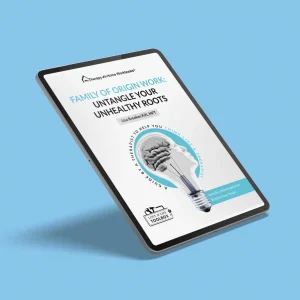
It can be empowering to challenge yourself to become an expert on you. But being a therapist to yourself requires honesty and bravery. Sometimes self reflection will not be enough. It can be challenging to understand the connections between your experiences and how you function. If you find yourself stuck or unable to find resolution on your own, I have created a guide to help people identify, understand and resolve their issues.
Learn more about Family of Origin Work: Untangle Your Unhealthy Roots.
You can also use this guide to get a strong start on your obstacles and continue this work with a therapist.
—
Work with Lisa Brookes Kift, MFT via California Online Therapy and Counseling or ask Lisa a question via her Ask Lisa Consultations service available by chat on this website.